
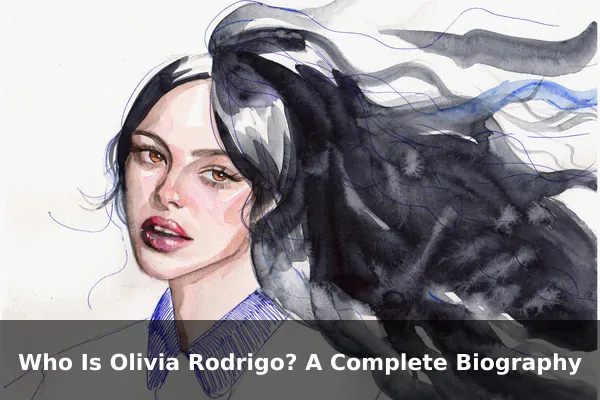
Olivia Rodrigo is an American singer-songwriter and actor whose rise reshaped the sound and emotional language of early 2020s pop. Known for sharp storytelling, dramatic piano ballads, punk-influenced hooks, and lyrics that capture heartbreak with unusual directness, she moved from Disney television roles to global music recognition in only a few years. Her breakthrough single drivers license, her debut album SOUR, and her follow-up album GUTS made her one of the defining young artists of her generation.
This complete biography looks at Olivia Rodrigo’s early life, acting career, musical breakthrough, songwriting style, awards, public image, and current place in contemporary pop. Because she is an active living artist, details such as tours, certifications, and new releases can change over time. For the most current facts, official sources such as her artist website, Interscope Records profile, official YouTube channel, the Recording Academy’s Grammy profile, and the RIAA Gold & Platinum database remain the strongest reference points.
Early Life and Background

Olivia Isabel Rodrigo was born on February 20, 2003, in Murrieta, California, and was raised in Southern California. Public biographical profiles commonly describe her family background as Filipino American on her father’s side and German and Irish on her mother’s side. That multicultural background has become part of how many fans understand her identity, especially because Rodrigo emerged at a moment when audiences were paying closer attention to representation in mainstream pop culture.
Long before she became internationally known as a singer, Rodrigo showed interest in performing. She grew up around music, theater, and screen acting, gradually building the skills that later helped her move confidently between television sets, recording studios, music videos, and live stages. Her early path was not a sudden leap into celebrity; it was a steady combination of auditions, acting roles, songwriting practice, and a developing instinct for emotional performance.
Childhood Creativity
Rodrigo’s later success makes more sense when viewed through the lens of a young performer learning several crafts at once. Acting taught her timing, character, and camera presence. Music gave her a more personal outlet, allowing her to write from her own point of view rather than interpret a script. By the time she released original music as a recording artist, she already understood how to communicate feeling through expression, vocal delivery, and visual presentation.
That background also explains why her songs often feel cinematic. Many Olivia Rodrigo lyrics unfold like scenes: a car ride, a bedroom argument, a party, a hallway, a public performance of private pain. Her songwriting does not simply state emotion; it places listeners inside a moment. That quality became one of the signatures of her career.
From Disney Actor to Rising Performer
Before Olivia Rodrigo became known worldwide for drivers license, she built a young audience through acting. One of her early screen roles came in the 2015 film An American Girl: Grace Stirs Up Success. The role introduced her to family entertainment viewers and helped establish her as a young performer with screen presence.
Her wider television breakthrough came with Disney Channel’s Bizaardvark, where she played Paige Olvera. The series followed young creators making online videos, a premise that fit the internet-native world Rodrigo’s audience understood. Appearing on a Disney series gave her experience with comedic timing, music-adjacent storytelling, and the rhythm of a multi-season production.
High School Musical: The Musical: The Series
Rodrigo’s most important acting role before pop stardom was Nini Salazar-Roberts in High School Musical: The Musical: The Series. The Disney+ show connected her with a generation that grew up with streaming platforms, online fandom, and musical theater nostalgia. As Nini, Rodrigo performed songs that allowed viewers to hear her voice in a more emotionally exposed setting.
The song All I Want, written and performed by Rodrigo for the series, became a key bridge between her acting career and her future as a singer-songwriter. It showed that she was not only a cast member with a strong voice but also a young writer able to turn character emotion into a standalone song. That moment helped listeners recognize her as more than a Disney actor; it suggested the arrival of an artist with her own lyrical perspective.
Why the Disney Years Mattered
Many artists have used family television as a launchpad, but Rodrigo’s transition felt especially natural because her music did not simply imitate her screen image. Instead, she used the visibility and discipline of Disney work while moving toward a more personal and adult creative identity. The audience that first knew her from television could follow her into music, but her songs also reached listeners who had never watched her shows.
Her acting years mattered for several reasons:
- Audience familiarity: Disney roles introduced Rodrigo to young viewers before her music career exploded.
- Performance training: Television work helped her develop confidence in front of cameras and crowds.
- Musical exposure: High School Musical: The Musical: The Series gave her a platform to sing original material.
- Storytelling instincts: Acting strengthened the emotional detail that later defined her songwriting.
The Breakthrough of drivers license
Olivia Rodrigo’s debut single drivers license was released in January 2021 and quickly became a defining pop moment. The song paired a sparse, aching opening with a dramatic build, capturing the feeling of heartbreak as something both intimate and enormous. Its title referred to an ordinary coming-of-age milestone, but the song transformed that detail into a symbol of independence, memory, and loss.
The track’s success came from several forces working together. Rodrigo already had a young fan base from Disney, but drivers license reached far beyond that. Its emotional clarity made it instantly shareable. Its bridge became a viral singalong moment. Its lyrics invited listeners to connect their own heartbreak stories to the song without needing to know the exact personal circumstances behind it.
A Pop Moment Built on Specific Detail
One reason drivers license resonated so strongly is that it sounded specific rather than generic. The image of driving through suburbs after receiving a license gave the song a lived-in quality. Listeners could imagine the streets, the silence in the car, and the contrast between a newly gained freedom and the loneliness of missing someone.
The official Olivia Rodrigo YouTube channel became an important part of the song’s visual era, offering audiences a primary source for official music videos and performance uploads. For a new artist, that visual presence mattered. It helped define Rodrigo’s early aesthetic: wounded but composed, youthful but serious, emotionally open but artistically controlled.
From Viral Hit to Career Foundation
A viral debut can be difficult to sustain, but Rodrigo did not remain a one-song phenomenon. She followed drivers license with music that expanded the emotional world of her debut. Instead of trying to repeat the exact formula, she showed range: piano balladry, pop-punk energy, sarcastic humor, and raw vocal intensity. That range became essential to her first album.
SOUR and the Arrival of a New Pop Voice
Released in May 2021, SOUR introduced Olivia Rodrigo as a fully formed pop songwriter rather than a television actor testing the music industry. The album’s title captured the emotional flavor of adolescence and early adulthood: jealousy, confusion, bitterness, self-doubt, romantic grief, and the strange humor that sometimes appears in the middle of pain.
SOUR worked because it felt both diaristic and carefully crafted. Rodrigo’s voice could sound fragile in one song and furious in the next. Her lyrics made room for contradictions, allowing her to be heartbroken, petty, wise, insecure, self-aware, and dramatic all at once. That complexity gave the album a human quality that listeners recognized.
Key Songs and Themes
The album included several songs that became central to Rodrigo’s public identity. drivers license represented devastation and longing. deja vu brought a sharper, more observational tone, turning recycled romantic gestures into a clever pop concept. good 4 u leaned into pop-punk frustration, giving listeners a cathartic chorus built for shouting. Ballads such as traitor and favorite crime revealed her ability to write quietly devastating lines without overcomplicating the arrangement.
Across SOUR, a few themes stood out:
- Heartbreak as identity shock: Rodrigo often writes about losing not only a relationship but also a version of the self.
- Jealousy and comparison: Her lyrics openly address envy, insecurity, and the pain of feeling replaceable.
- Youthful contradiction: The songs allow intense emotions to be messy rather than perfectly mature.
- Confessional detail: Rodrigo uses everyday images to make large feelings feel concrete.
Why SOUR Connected So Widely
The album arrived when many listeners were experiencing isolation, transition, and emotional uncertainty. Although its songs were rooted in Rodrigo’s young perspective, they did not only appeal to teenagers. Older listeners heard echoes of their own formative heartbreaks, while younger listeners found language for feelings they were still learning to name.
The album also revived interest in a strain of mainstream pop that embraced guitars, teenage melodrama, and rock-influenced release. Rodrigo did not invent those ingredients, but she made them feel newly urgent for a streaming-era audience. SOUR proved that vulnerability and volume could coexist.
GUTS and Artistic Growth
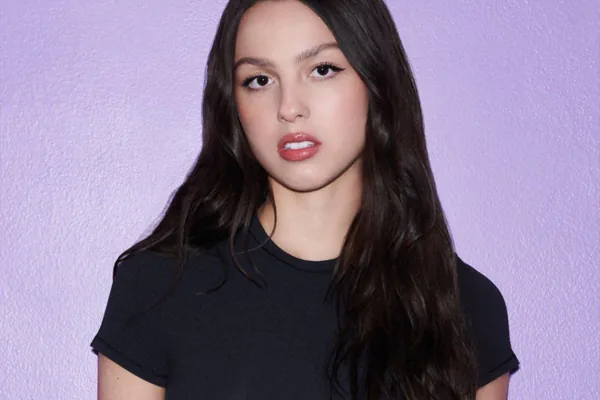
Olivia Rodrigo’s second studio album, GUTS, released in September 2023, was a crucial test of her long-term artistry. After a blockbuster debut, expectations were high. Rather than soften her sound or move into safer adult pop, Rodrigo sharpened the qualities that made her distinctive. GUTS sounded more confident, more chaotic, and more willing to be funny, angry, awkward, and theatrical.
The album expanded her world beyond the first shock of heartbreak. It explored fame, public scrutiny, social anxiety, self-sabotage, desire, resentment, and the uncomfortable process of growing up while being watched. Songs such as vampire, bad idea right?, ballad of a homeschooled girl, and all-american bitch showed how Rodrigo could build songs around tension: sweetness against rage, polished melodies against jagged guitars, self-awareness against emotional impulse.
A Sharper Pop-Rock Identity
GUTS confirmed that Rodrigo’s rock influence was not a temporary accent. She drew from pop-punk, alternative rock, piano balladry, and theatrical pop, using each sound to match a different emotional state. The result was an album that felt less like a sequel to SOUR and more like a widening of her artistic vocabulary.
Her collaboration with producer and songwriter Daniel Nigro remained important to this phase of her career. Together, they built songs that often move from intimate confession to explosive release. That structure fits Rodrigo’s lyrical personality: she tends to begin with a private thought and then let it grow until it becomes almost an anthem.
Growing Up in Public
The biggest difference between SOUR and GUTS is perspective. SOUR often sounds like the immediate aftermath of emotional injury. GUTS sounds like someone examining the strange performance of becoming an adult in public. Rodrigo writes about embarrassment, bad decisions, and pressure without pretending she has solved them. That honesty keeps the music from feeling overly polished or distant.
In that sense, GUTS strengthened her biography as an artist. It showed that she could respond to fame not by hiding the pressure but by turning it into material. The album made clear that Olivia Rodrigo was not only a breakout star; she was a developing songwriter with a strong sense of voice.
Awards, Certifications, and Career Milestones
Olivia Rodrigo’s awards history is best verified through official award organizations because counts can change as new nomination cycles occur. The Recording Academy’s Grammy profile lists her major Grammy history, including three wins at the 64th Annual Grammy Awards in 2022. Those wins included Best New Artist, Best Pop Vocal Album for SOUR, and Best Pop Solo Performance for drivers license.
Her Grammy profile also lists later nominations connected to the GUTS era, including major-category recognition and genre nominations. This matters because it shows that the industry did not treat her success as a one-album event. GUTS extended her credibility as a recording artist and songwriter, placing her work in conversations about both pop craft and rock-influenced songwriting.
RIAA Certifications
The RIAA Gold & Platinum database is the official U.S. certification source for albums and singles. It includes Olivia Rodrigo entries for major releases such as SOUR, GUTS, All I Want, good 4 u, and other songs. Certification levels and dates can be updated, so serious readers should check the RIAA database directly when they need exact, current certification data.
Notable Career Milestones
- 2015: Rodrigo appeared in An American Girl: Grace Stirs Up Success, one of her early screen roles.
- 2016: She reached Disney Channel viewers through Bizaardvark.
- 2019: She joined High School Musical: The Musical: The Series, where music and acting overlapped.
- 2021: drivers license became her breakout single, followed by the release of SOUR.
- 2022: She won three Grammy Awards, including Best New Artist.
- 2023: She released GUTS, expanding her pop-rock identity.
- 2024 and beyond: Her official channels continued to document new performances, release campaigns, and evolving career activity.
Songwriting Style and Musical Influences
Olivia Rodrigo’s songwriting is often described as confessional, but that word only tells part of the story. Her best songs are not merely private diary entries set to music. They are structured pop narratives built from emotional specifics, memorable images, and carefully timed release. She writes in a way that makes listeners feel as if they are hearing a secret and a chorus at the same time.
Her musical identity combines several traditions. There is the emotional directness of singer-songwriter ballads, the loud release of pop-punk, the melodic precision of mainstream pop, and the dramatic framing of musical theater. Because she came from acting, she also understands how to inhabit a feeling. Her songs often sound like monologues that suddenly become group catharsis.
Common Lyrical Themes
Rodrigo frequently returns to themes that suit a coming-of-age artist but gives them enough specificity to avoid feeling generic. Heartbreak is central, but so are pride, shame, competitiveness, nostalgia, anger, and self-recognition. She is especially strong at writing about the uncomfortable gap between what someone knows logically and what they still feels emotionally.
- Heartbreak: Romantic loss appears as a full-body experience, not a small disappointment.
- Insecurity: Her lyrics often admit comparison, jealousy, and self-doubt without softening them.
- Fame: Later songs address the strangeness of being judged, watched, and misunderstood.
- Anger: Rodrigo uses rock textures to make anger sound playful, explosive, or wounded.
- Self-discovery: Many songs end without a perfect answer, reflecting the unfinished nature of growing up.
Why Her Lyrics Feel Personal
Rodrigo often chooses plain language over abstract poetry. That directness is one reason listeners quote her lyrics so easily. She does not hide emotion behind complicated metaphors when a simple line can cut more deeply. At the same time, she understands structure: verses build context, pre-choruses create tension, and choruses often deliver the emotional thesis.
This combination of simplicity and craft is central to her appeal. Listeners feel that they understand the song immediately, but repeated listens reveal how carefully the details are arranged.
Public Image, Fans, and Cultural Impact
Olivia Rodrigo’s public image is rooted in emotional honesty, youthful intensity, and a fashion sense that often blends vintage, punk, and polished pop-star elements. She has become closely associated with Gen Z culture, but her appeal is not limited to one age group. Her songs speak to anyone who remembers the drama of first heartbreak, the embarrassment of growing up, or the pressure to appear composed while feeling chaotic inside.
Her fans respond strongly to the sense that she names feelings people are often embarrassed to admit. Rodrigo does not always write from the most flattering perspective. She allows herself to sound jealous, furious, confused, or self-critical. That willingness makes the music feel less manufactured and more emotionally useful.
Impact on Pop Music
Rodrigo’s success helped bring guitar-driven pop and pop-punk textures back into the center of mainstream conversation. While many artists contributed to that shift, her combination of streaming dominance, Grammy recognition, and youth-cultural influence made the movement more visible. She showed that a young pop star could be commercially massive without smoothing away all emotional roughness.
Her career also changed expectations for young artists coming from television. Instead of treating acting and music as separate identities, Rodrigo used both to create a larger artistic profile. She became a performer whose videos, live appearances, album visuals, and lyrics all contributed to the same story of creative growth.
Connection With Listeners
The strongest part of Rodrigo’s cultural impact may be how quickly listeners treat her songs as personal language. A phrase from one of her songs can become shorthand for a mood, a breakup, a bad decision, or a memory. That is the mark of a songwriter whose work enters everyday emotional vocabulary.
Her live performances and tours have added another layer to that connection. On stage, ballads become communal singalongs, and high-energy tracks become collective release. The contrast between vulnerability and volume is central to why her concerts resonate with fans.
Where Olivia Rodrigo’s Career Stands Today
As of June 2, 2026, Olivia Rodrigo stands as one of the most important contemporary pop artists to emerge from the 2020s. Her official website and artist store continue to point fans toward current music, merchandise, tour links, and release-related updates, including pages connected to SOUR, GUTS, live recordings, and newer pre-order activity. Because official campaigns can change quickly, those channels are the best places to verify what is currently available.
Her Interscope Records artist page confirms her ongoing label context, while her official YouTube channel remains a primary source for music videos and performance uploads. For awards, the Grammy profile provides the most authoritative summary of wins and nominations. For U.S. certifications, the RIAA database is the proper source for updated Gold, Platinum, and related certification information.
Why Her Next Chapter Matters
Rodrigo’s next moves matter because she has already passed two major tests: the breakthrough single and the second album. drivers license proved she could capture a cultural moment. SOUR proved she could build a full album around that emotional force. GUTS proved she could grow sharper and more self-aware without losing the urgency that made listeners care.
The question now is not whether Olivia Rodrigo is a real artist. That has been answered by her songs, performances, awards, and sustained fan base. The more interesting question is how she will continue to evolve as her life, audience, and creative perspective change. If her first two albums are any indication, she is likely to keep using discomfort, contradiction, and emotional honesty as raw material.
Conclusion
Olivia Rodrigo is a singer-songwriter and actor whose biography reflects one of the clearest modern transitions from youth television to major pop artistry. Born in California, shaped by early acting work, and introduced to many fans through Disney projects, she became a global music figure with drivers license and then deepened that success through SOUR and GUTS.
Her importance lies not only in sales, awards, or viral moments, but in the way she writes about emotional experience. Rodrigo gives heartbreak, insecurity, anger, and growing pains a sound that is dramatic, catchy, and sharply observed. She has already become a Grammy-winning artist with a recognizable voice, a loyal fan community, and a strong place in contemporary pop history.
For readers asking who is Olivia Rodrigo?, the simplest answer is that she is one of the defining young singer-songwriters of her era: a former Disney actor who turned personal storytelling into global pop, and an artist whose career is still actively unfolding.
Official references
- Olivia Rodrigo Official Website – Artist-controlled source for current official announcements, releases, tour links, and official channels.
- Interscope Records Olivia Rodrigo Artist Page – Official label page for verifying her current recording-label context and release-related information.
- Olivia Rodrigo Official YouTube Channel – Primary source for official music videos, performance uploads, premiere dates, and visual-era milestones.
- GRAMMY.com Olivia Rodrigo Artist Page – Official Recording Academy profile for Grammy wins, nominations, and awards history.
- RIAA Gold & Platinum Database – Official U.S. certification database for albums and singles, including certification dates and labels.
