
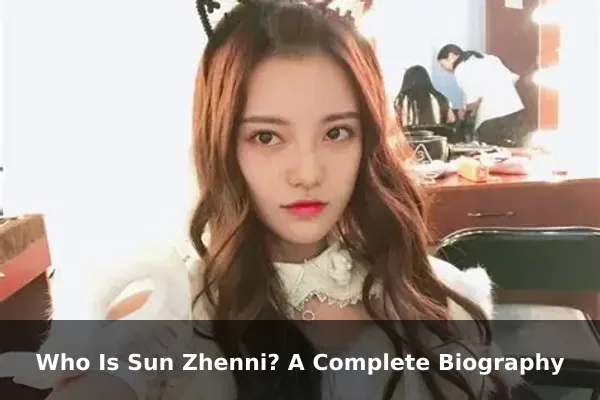
Sun Zhenni is a Chinese performer whose public career connects several important parts of contemporary mainland entertainment: idol theater, group performance, formal acting training, screen drama, fashion visibility, and direct fan communication through official social media. For many viewers, her name became especially familiar through her screen work after years of building stage experience with SNH48 and Team HII.
This biography takes a careful, source-aware look at who Sun Zhenni is, how her career developed, and why she has become a figure of interest among Chinese drama fans and idol-culture followers. Because she is a living artist with an active public profile, the most reliable details are the ones that can be checked through official channels such as her personal Weibo account, Sun Zhenni Studio, SNH48 Group records, SIBA Media context, and the Shanghai Theatre Academy admission document that verifies her education-related public record.
Rather than treating Sun Zhenni as only an idol, only an actress, or only a rising drama name, the clearer picture is more layered. Her story is about a young artist who first learned how to command attention in a live-performance system, then moved toward acting work while maintaining a public image shaped by discipline, visual polish, and a close relationship with fans.
Quick Facts About Sun Zhenni
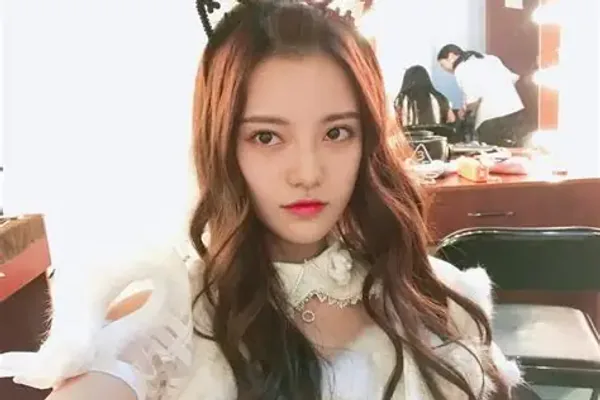
Sun Zhenni, whose Chinese name is 孙珍妮, is generally introduced in public entertainment profiles as a Chinese singer, performer, and actress. She is associated with mainland Chinese entertainment and is known for her connection to SNH48 Team HII, her later acting activities, and her growing visibility among Chinese drama audiences.
Some biographical details about public artists can shift depending on agency wording, profile updates, or platform listings. For that reason, the following quick facts focus on information that is widely used in official or semi-official artist contexts and should be checked against current official channels for the latest status.
- Stage name and public name: Sun Zhenni
- Chinese name: 孙珍妮
- Nationality context: Chinese Mainland entertainment industry
- Publicly listed birth date: May 5, 2000
- Main professional fields: Singing, idol performance, acting, public entertainment appearances
- Early career association: SNH48 and Team HII
- Education-related verified record: Listed in Shanghai Theatre Academy’s 2019 undergraduate admission list for Performance in Drama, Film and Television
- Current update channels: Sun Zhenni’s official Weibo profile and Sun Zhenni Studio’s official Weibo activity
- International fan recognition: Frequently connected with her role as Pian Ran in the fantasy drama Till the End of the Moon
The most important thing to understand from these facts is that Sun Zhenni’s profile is not limited to one career lane. She entered public attention through idol performance, gained structured arts education context, and then became better known to a wider drama audience through screen roles and studio-managed updates.
Early Life and Public Background
Sun Zhenni’s public biography should be approached with care because not every personal detail circulated online is equally reliable. Entertainment databases, fan communities, and reposted profiles often repeat information quickly, but a responsible artist biography should separate public career facts from private life claims that have not been confirmed through official or primary sources.
Public profiles commonly list Sun Zhenni as being born in Shanghai, China. Her birth date is widely shown as May 5, 2000 across entertainment platforms. These details help establish her generational position in the industry: she belongs to a group of Chinese performers who came of age during the rapid expansion of idol theater, online variety programs, short-form fan media, streaming dramas, and direct artist-fan communication on platforms such as Weibo.
A Public Identity Built Through Performance
Before she became familiar to many drama viewers, Sun Zhenni’s public identity was shaped by live performance. This matters because the SNH48 system places young performers in a demanding environment where they learn choreography, singing, audience interaction, stage discipline, fan events, and regular theater appearances. That environment can build a different skill set from a performer who begins only through television or film auditions.
In Sun Zhenni’s case, her early stage experience is part of what gives her biography its distinct angle. She was not introduced to audiences as a finished screen actress. Instead, she became visible through a system that required repeated public appearances and constant improvement in front of fans. That kind of background often helps artists develop confidence, timing, and awareness of how their expressions read to an audience.
Why Caution Matters in Artist Biographies
Because Sun Zhenni is still active, details about management, project schedules, upcoming dramas, and professional affiliations may change. A responsible reader should treat her official Weibo account and Sun Zhenni Studio’s verified updates as stronger evidence than reposted rumors, edited fan pages, or entertainment gossip summaries. This is especially important for questions about upcoming dramas, contract status, or agency wording.
For a general reader asking who Sun Zhenni is, the safest summary is this: she is a Chinese singer and actress with roots in SNH48 Team HII, verified education context connected to Shanghai Theatre Academy, and growing recognition in Chinese fantasy and costume drama circles.
SNH48 and Team HII Career Beginnings
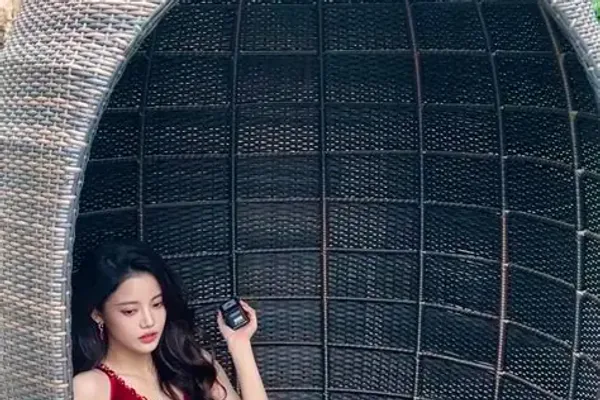
Sun Zhenni’s early professional recognition is closely tied to SNH48, one of mainland China’s best-known large-scale idol groups. SNH48 Group has operated through teams, theater stages, fan events, music releases, and annual ranking activities, creating a structure in which members build visibility through both group participation and individual appeal.
Official SNH48 and SIBA-related materials provide the broader context for this period. SNH48 is not simply a music group in the conventional sense; it is also a performance ecosystem. Members may appear in theater stages, concerts, music videos, merchandise projects, fan meetings, variety content, and sometimes acting projects connected to the wider entertainment network.
Team HII and the Theater System
Sun Zhenni became associated with Team HII, one of SNH48’s core teams. Team-based idol performance is important because it gives fans a clear way to follow members across recurring stages and group activities. Team HII’s identity, setlists, and member lineups formed part of the environment in which Sun Zhenni developed as a performer.
For a young artist, this system can be intense. Unlike a single debut performance followed by occasional promotions, SNH48 theater work typically involves repeated exposure. A performer has to maintain energy, memorize formations, interact with teammates, and stay recognizable in a crowded group setting. Sun Zhenni’s early career therefore trained her in consistency as much as in visibility.
Why Her SNH48 Period Still Matters
Even for fans who discovered Sun Zhenni through acting, her SNH48 background remains central to understanding her artist profile. It explains why she appears comfortable with stylized presentation, why she has a strong fan-service communication style, and why her public image often combines sweetness, confidence, and camera awareness.
The idol period also gave her a foundation in being watched closely. In group performance culture, fans notice small changes: styling, expressions, line distribution, stage chemistry, growth in confidence, and how a member handles events. That kind of attention can be demanding, but it also prepares a performer for the scrutiny that comes with screen roles and online popularity.
General Elections and Fan Recognition
SNH48’s annual popularity activities were another part of the environment surrounding Sun Zhenni’s early public career. Official SNH48 historical pages and group materials document ranking structures and member participation across different years. These activities are not just popularity contests; they are also a way for fans to organize support and for members to gain additional exposure within the group system.
Sun Zhenni’s placement and participation in SNH48-related activities helped establish her as more than a background member. Her appeal developed through a combination of visuals, stage presence, fan interaction, and the kind of youthful identity that the group system often highlighted.
Education and Training
One of the strongest source-anchored details in Sun Zhenni’s biography is her connection to Shanghai Theatre Academy. The official 2019 undergraduate admission list from Shanghai Theatre Academy includes the name 孙珍妮 in the Performance category for Drama, Film and Television. This is a useful primary document because it gives a concrete education-related anchor instead of relying only on entertainment profile summaries.
Shanghai Theatre Academy is one of China’s well-known institutions for performing arts. Its training context is significant for anyone moving from idol performance into acting because it suggests a shift from stage idol routines toward more formal study of performance, character work, voice, body, camera presence, and dramatic interpretation.
Why Formal Training Matters for an Idol-Turned-Actress
In entertainment writing, the phrase idol-turned-actress is sometimes used too casually. It can imply that an artist simply changes job titles. In practice, acting requires a different set of skills from group performance. Idol stages often reward projection, charisma, synchronization, and instantly readable expressions. Screen acting can require restraint, emotional layering, and the ability to let the camera catch smaller shifts in thought and feeling.
Sun Zhenni’s education context helps explain why her career did not remain confined to idol appearances. Formal training can give performers tools for script analysis, role preparation, scene listening, and collaboration with directors. It does not guarantee success, but it gives a stronger foundation for long-term acting work.
Connecting Training With Public Growth
When viewers talk about Sun Zhenni’s later screen presence, they often point to her expressiveness and ability to make stylized characters feel lively. That kind of public response cannot be reduced only to schooling, but training can support the transition from stage performance to dramatic performance. In a competitive industry, the combination of idol experience and acting education can become a meaningful advantage.
Her biography therefore sits at the intersection of two systems: the fan-driven performance system of SNH48 and the more formal acting-training environment represented by Shanghai Theatre Academy. This combination is one reason her career path attracts interest from both idol fans and drama viewers.
Transition From Idol Work to Acting
Sun Zhenni’s move toward acting did not erase her idol background. Instead, it added another dimension to her public identity. Many performers in Chinese entertainment now build careers across multiple channels: music, variety, drama, livestream events, fashion shoots, brand activities, and social media content. Sun Zhenni fits this multi-platform model, but her case is especially interesting because her screen recognition grew after years of performance work.
The transition from idol work to acting can be difficult. Audiences may bring assumptions about idols, and casting teams may need to see whether a performer can handle narrative roles rather than only stage images. Sun Zhenni’s advantage was that she had already learned how to hold attention. The acting challenge was to turn that attention into character believability.
From Stage Charisma to Character Presence
Stage charisma is immediate. It asks a performer to reach the audience quickly and clearly. Character presence is slower and more layered. It asks the performer to fit into a story, respond to other actors, and make the audience believe in the character’s choices. Sun Zhenni’s growing acting profile shows an artist learning to convert performance energy into screen-specific expression.
This is why her biography should not be framed as a simple before-and-after story. She did not stop being a performer when she began acting. Instead, her idol background became part of the toolkit she could bring to the screen: posture, camera confidence, expressive eyes, stylized movement, and an instinct for memorable presentation.
Variety Exposure and Public Familiarity
Sun Zhenni also became known to broader audiences through competitive and entertainment programming connected to the idol industry. Her participation in Produce Camp 2020 is often mentioned in public summaries of her career because it placed her in a national variety-show environment beyond the regular SNH48 fan circle. Official SNH48 materials from the period discussed group members participating in the show and reported rankings during the program’s run.
Variety exposure can be valuable because it introduces performers as personalities, not only as stage or drama figures. Viewers get to see work ethic, emotional reactions, peer relationships, rehearsal pressure, and self-presentation. For Sun Zhenni, this period added another layer to her recognition and helped keep her visible while she continued developing beyond team-based idol work.
Notable Acting and Entertainment Work
Sun Zhenni’s acting career is still developing, so it is best to discuss her work in terms of confirmed public visibility rather than final career legacy. She is not yet an artist with decades of filmography behind her. Her significance lies in the momentum of her transition and the fact that a growing number of viewers now associate her with memorable drama appearances.
The project most frequently connected to her among international Chinese drama fans is Till the End of the Moon, the fantasy romance drama in which she is widely credited as playing Pian Ran. The character gave Sun Zhenni a strong opportunity to reach viewers outside the SNH48 fan base because costume fantasy dramas often travel widely through streaming platforms, fan edits, discussion forums, and social media clips.
Pian Ran and Wider Drama Recognition
Pian Ran stands out as a role that matched several of Sun Zhenni’s strengths: visual expressiveness, stylized movement, confidence in costume presentation, and the ability to make a supporting character feel vivid. Many viewers who did not know her idol history first encountered her through this role, which helped reposition her in public discussion as an actress with potential in costume and fantasy genres.
For biography purposes, this matters because one recognizable role can change the audience attached to an artist. Before such a role, Sun Zhenni’s core followers may have been primarily idol fans and SNH48 observers. Afterward, her name became more searchable among C-drama viewers who wanted to know more about the actress behind the character.
Upcoming and Announced Projects
Sun Zhenni has also been linked in entertainment coverage and public discussion with later costume or fantasy projects, including titles reported with her as part of the cast. Because production schedules, distribution plans, and release timing can change, the most accurate way to confirm these projects is through official studio posts, platform announcements, or verified drama accounts.
This caution is especially important for Chinese dramas, where a project may film long before it airs, change its English title, receive a distribution license at a different time, or update cast promotion in stages. For the latest information about Sun Zhenni’s acting work, readers should prioritize Sun Zhenni Studio’s official Weibo updates and official platform materials over rumor posts.
What Her Work Suggests About Her Career Direction
Based on her public career path, Sun Zhenni appears well positioned for roles that benefit from a combination of visual distinction and performance polish. Costume dramas, fantasy settings, romantic supporting roles, and character-driven idol-to-actress transitions are all natural spaces for her current profile. However, a complete career will depend on how she continues to choose scripts, develop acting range, and establish roles beyond the first characters that made her widely recognizable.
Public Image, Style, and Fan Appeal
Sun Zhenni’s public image is one of the reasons she attracts attention beyond basic biography searches. She is often discussed for a combination of delicate visuals, expressive styling, performance confidence, and a youthful but polished entertainment identity. These qualities are common talking points in fan communities, but they should be understood as part of her professional presentation rather than as substitutes for career substance.
Her appeal is connected to how she bridges several audience groups. Idol fans may appreciate her SNH48 history and stage-trained fan communication. Drama viewers may focus on her roles and screen charisma. Fashion and beauty followers may notice her styling, red-carpet looks, photo shoots, and visual adaptability. Together, these groups create a broader public profile than a single-category artist would have.
Performance-Based Appeal
Because Sun Zhenni came from a stage environment, her fan appeal includes a sense of responsiveness. Idol performers learn to acknowledge audiences, manage expressions, and build memorable moments even within group formations. That background can make a performer feel accessible and vivid to fans.
In screen work, the same quality can become a double-edged tool. Too much stage brightness can feel exaggerated on camera, but controlled expressiveness can make a character memorable. Sun Zhenni’s strongest public moments tend to come when her performance energy is shaped into a clear character presence rather than simply a beautiful image.
Fashion and Visual Identity
Like many young Chinese artists, Sun Zhenni’s public image is also shaped by styling. Her portraits, event appearances, and drama costumes contribute to how audiences remember her. In the modern entertainment ecosystem, visual identity is not secondary; it often influences discoverability, social sharing, and casting perception.
However, a serious biography should not reduce her to appearance. The more meaningful point is that Sun Zhenni has learned to use image as part of performance. Her look can shift between idol sweetness, fantasy elegance, modern youthfulness, and polished studio portraiture. That flexibility supports a career in which public image and acting work develop together.
Official Accounts and Current Updates
For anyone following Sun Zhenni today, official channels matter. Her personal Weibo account is a primary public source for her self-presented identity, day-to-day updates, personal messages, and reposted announcements. Sun Zhenni Studio’s official Weibo presence is also important because studio accounts often post work schedules, project confirmations, brand events, photo releases, and management-related wording.
SNH48 Group’s official website and SIBA Media’s official website are useful for understanding her early career environment and the organization behind her idol-stage background. The Shanghai Theatre Academy admission list is useful for education-related verification. These sources serve different purposes, and readers should not treat all online pages as equal.
Best Sources for Different Questions
- For current activities: Check Sun Zhenni’s official Weibo and Sun Zhenni Studio’s official Weibo.
- For early SNH48 context: Use SNH48 Group’s official website, official event pages, and SIBA-related materials.
- For education claims: Use the Shanghai Theatre Academy 2019 undergraduate admission list rather than unsourced profile reposts.
- For drama participation: Prioritize official drama accounts, streaming-platform cast pages, studio announcements, and production-side posts.
- For fan interpretation: Fan communities can be helpful for discussion, but they should not be the final source for factual claims.
How to Read Updates Responsibly
When following an active artist, it is easy for rumors to spread faster than official information. A project can be rumored before a cast is formally announced. A schedule can be delayed. A management change can be discussed online before being clearly reflected in official wording. For Sun Zhenni, as with any active performer, readers should look for direct confirmation before treating a claim as fact.
This is especially relevant for biographical details that may change: agency status, studio structure, release dates, upcoming drama titles, and promotional schedules. The safest wording is often not the most dramatic wording, but it is the most useful for readers who want an accurate biography.
Frequently Asked Questions About Sun Zhenni
Who is Sun Zhenni?
Sun Zhenni is a Chinese singer, performer, and actress known for her early career with SNH48 Team HII and for later acting work in Chinese entertainment. Many international drama viewers associate her with the role of Pian Ran in Till the End of the Moon.
Was Sun Zhenni a member of SNH48?
Yes. Sun Zhenni is publicly associated with SNH48 and Team HII, and official SNH48-related materials provide context for her group-performance background. Her SNH48 period is an important part of understanding her early public recognition and stage training.
What did Sun Zhenni study?
The official Shanghai Theatre Academy 2019 undergraduate admission list includes 孙珍妮 under Performance for Drama, Film and Television. This is the strongest public source anchor for education-related claims about her formal acting training context.
What is Sun Zhenni best known for?
She is known for a combination of SNH48 idol performance, Team HII activities, variety exposure, and acting. Among C-drama fans, her role as Pian Ran in Till the End of the Moon is one of the most recognizable parts of her screen profile.
Where can fans follow Sun Zhenni?
Fans should follow her official Weibo profile and Sun Zhenni Studio’s official Weibo for the most current public updates. These sources are more reliable than reposted entertainment rumors or unsourced fan edits.
Is Sun Zhenni only an actress now?
It is more accurate to describe Sun Zhenni as a multi-field artist with an idol-performance background and an active acting profile. Her exact current professional wording should be checked through her official accounts and studio updates because artist positioning can change over time.
Why Sun Zhenni’s Biography Stands Out
Sun Zhenni’s biography stands out because it reflects a larger shift in Chinese entertainment. Many young artists no longer build careers through only one route. They may begin in idol groups, appear in survival shows, attend performance schools, develop screen careers, and maintain direct social-media relationships with fans. Sun Zhenni’s path includes all of these elements.
Her story is also interesting because it shows how a performer can move from collective visibility to individual recognition. In SNH48, she was part of a team and a larger group system. In acting, she has to be recognized as a character and as an individual artist. That shift is difficult, and not every idol performer manages it smoothly. Sun Zhenni’s growing drama visibility suggests that audiences are willing to see her beyond her original group context.
At the same time, her early background should not be dismissed. The theater system, fan events, and group performances helped create the public-facing skills that support her current profile. Her biography is not a story of leaving one identity behind; it is a story of layering skills across different entertainment formats.
Conclusion
Sun Zhenni is a Chinese artist whose career combines idol roots, formal performance education, acting development, and a carefully managed public image. She first gained attention through SNH48 and Team HII, built a foundation in live performance, and later reached more drama viewers through screen roles such as Pian Ran in Till the End of the Moon.
The most accurate way to understand Sun Zhenni is to see her as an evolving performer rather than a fixed label. She is not simply a former idol, not only a drama actress, and not merely a visual personality. Her biography is shaped by training, public performance, fan culture, and the ongoing work of building an acting career in a competitive industry.
For readers who want the latest information, official sources remain essential. Her personal Weibo, Sun Zhenni Studio’s Weibo updates, SNH48 Group archives, SIBA Media context, and Shanghai Theatre Academy records provide the strongest foundation for verified facts. As her career continues, those official channels will be the best places to follow how Sun Zhenni’s public story develops next.
Official references
- Sun Zhenni official Weibo profile – Primary public account for current self-presented identity, updates, contact wording, and recent career announcements.
- Sun Zhenni Studio official Weibo (weibo.com) – Primary studio channel for current management status, work announcements, and role confirmations; use Weibo search for the verified account 孙珍妮工作室.
- SNH48 GROUP official website – Official source for her early SNH48/Team HII career, group notices, performances, and historical membership context.
- SIBA Media official website – Official company site for the organization behind SNH48 and related artist management context.
- Shanghai Theatre Academy 2019 undergraduate admission list – Primary university document to verify education-related claims involving Shanghai Theatre Academy.
