
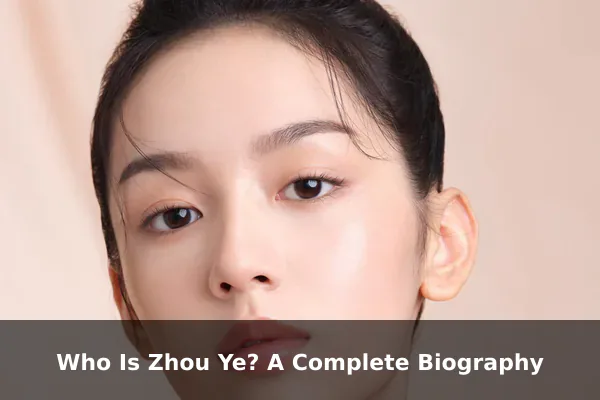
Zhou Ye is a Chinese actress whose career has moved quickly from a striking supporting performance in film to leading roles across television dramas, youth romance, historical stories, and contemporary screen projects. For many international viewers, the first answer to the question Who Is Zhou Ye? A Complete Biography begins with Better Days, the critically discussed Chinese drama that introduced her to a wider audience. For Chinese drama fans, however, Zhou Ye is also closely tied to popular series such as Word of Honor, Back from the Brink, Scent of Time, and Love Me, Love My Voice.
What makes Zhou Ye interesting as an artist biography subject is not only her growing fame, but the shape of her career. She did not become known through a single variety-show image or one viral moment alone. Instead, her profile has been built through formal acting education, early film work, high-visibility ensemble projects, romantic dramas, costume roles, and a public image that balances youthful freshness with an increasingly polished screen presence. Official and primary-facing sources, including the 1905 Movie Network profile, Well Go USA’s official Better Days page, Zhou Ye’s verified Weibo account, and Zhou Ye Studio’s Douyin activity, are the best anchors for checking identity details, credited work, public appearances, and current updates.
This complete biography looks at Zhou Ye’s early life, education, breakout role, major career highlights, awards recognition, public image, and current direction. It is written with cautious wording where project status or promotional details may change, because entertainment careers are active and official schedules can shift close to release.
Early Life and Background
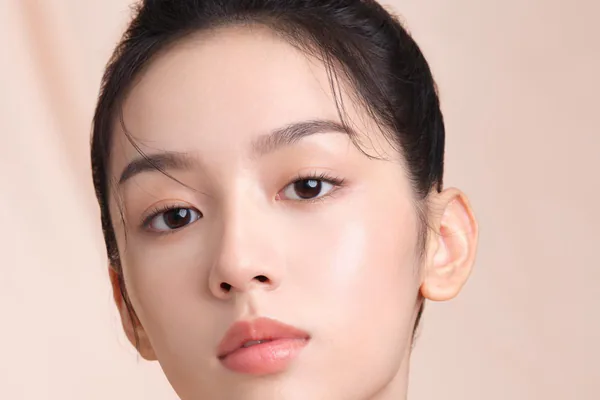
Zhou Ye was born on May 20, 1998, in Chongqing, China. The 1905 Movie Network profile lists her nationality as Chinese, her birthplace as Chongqing, and her profession as actress. These core details are important because they separate Zhou Ye from similarly named figures and help readers identify her within the fast-moving world of Chinese film and television.
Chongqing is one of China’s major municipalities, known for its distinctive urban landscape, strong regional culture, and growing connection to contemporary entertainment production and media visibility. While a biography should avoid overstating how birthplace alone explains an artist’s style, it is fair to say that Zhou Ye’s background places her within a generation of mainland Chinese performers who entered the industry through formal training and screen auditions rather than through a purely idol-based pathway.
Name and Public Identity
Zhou Ye is often presented internationally under the romanized name Zhou Ye. Chinese-language platforms use her Chinese name, and her verified Weibo account appears under the handle associated with Zhou Ye. Her Weibo profile identifies her as a contracted actress with Hesong Media and names Better Days as a representative work. That public-facing description is useful because it reflects how her professional identity is presented through a primary social channel.
For SEO readers searching for Zhou Ye biography, Zhou Ye age, Zhou Ye actress, or Zhou Ye movies and dramas, the most reliable starting point is to treat her as a Chinese screen actress whose career covers both cinema and television. She is not best understood through one category only. Her film work brought early awards attention, while her television dramas expanded her audience and made her recognizable to viewers who follow Chinese costume dramas, youth dramas, and streaming-era romance series.
Generational Context
Zhou Ye belongs to a post-1995 generation of Chinese actresses who came of age during a period of rapid change in Asian entertainment. Streaming platforms, international fan subtitling communities, short-video promotion, red carpet fashion coverage, and official studio accounts all affect how an actor’s reputation grows. In Zhou Ye’s case, her career has benefited from both traditional film recognition and newer digital visibility.
This context matters because her biography is not just a list of titles. Her rise reflects how Chinese actresses today often build recognition across multiple lanes: serious film projects, period dramas, contemporary romance, brand and magazine appearances, fan engagement, and date-stamped updates from official accounts.
Education and Acting Training
Public profiles, including the 1905 Movie Network profile and Zhou Ye’s verified Weibo information, connect Zhou Ye with the Beijing Film Academy. The 1905 profile describes her as a graduate of the acting department at Beijing Film Academy, one of China’s best-known institutions for film education. Beijing Film Academy has a long-standing reputation in Chinese cinema and has trained many actors, directors, and film professionals.
Formal training is a major part of Zhou Ye’s biography because it helps explain the foundation of her acting career. In a competitive entertainment market, academic training can provide young performers with technique, camera awareness, stage discipline, voice work, movement practice, and experience in interpreting scripts. It does not guarantee success, but it gives an actor a structured base before entering professional productions.
Why Beijing Film Academy Matters
For readers outside China, Beijing Film Academy can be compared to a major specialist film conservatory. It is not simply a general university with an arts club; it is a dedicated film and performance institution. Actors associated with the school are often viewed as having passed through a serious training environment before entering the commercial industry.
In Zhou Ye’s case, this educational background supports the image of an actress who entered the field through craft-oriented preparation. Her early screen roles required emotional control, ensemble awareness, and the ability to make a strong impression even without being the central protagonist. Those qualities became especially visible in Better Days, where her supporting role had a major impact on audience perception.
From Student to Professional Actress
The transition from acting student to working actress can be difficult. New performers need to learn how to work with directors, adapt to shooting schedules, receive criticism, perform for close-up shots, and handle the public attention that follows a successful role. Zhou Ye’s early path suggests a relatively quick move from training into screen work, with film credits appearing before she became a household name among drama viewers.
Her education also helps explain why her career has not stayed in one fixed lane. A trained actress is often expected to move between genres, tones, and production styles. Zhou Ye’s later projects show that movement clearly: contemporary film, historical ensemble work, costume drama, fantasy romance, campus romance, and public-interest promotional appearances all appear within her broader professional footprint.
Breakout Role in Better Days
Zhou Ye’s breakout screen moment is closely tied to Better Days, the Derek Tsang film known for its intense treatment of school pressure, bullying, youth vulnerability, and crime-drama tension. Well Go USA’s official page for Better Days lists Zhou Ye among the cast, alongside Zhou Dongyu, Jackson Yee, Yin Fang, and Huang Jue. The same official distributor page describes the film as a Mandarin-language crime, drama, and romance title with a runtime of 135 minutes.
In Better Days, Zhou Ye played Wei Lai, a character associated with the film’s bullying storyline. The role was not a soft introduction. It required Zhou Ye to portray a figure who is memorable for the harm she causes and the pressure she represents. For a young actress, taking on an unsympathetic character can be risky, but it can also show range. Zhou Ye’s performance made viewers notice her because she did not disappear into the background of a film led by already prominent names.
Why the Role Stood Out
Many actors become known first through likable roles. Zhou Ye’s early recognition came from a more complicated direction. Wei Lai is important to the emotional structure of Better Days because she helps embody the social cruelty and peer violence at the center of the story. The role demanded restraint as well as sharpness. A performance like that can easily become exaggerated, but Zhou Ye’s screen presence helped make the character unsettling and memorable.
The film itself also carried high visibility. Better Days was discussed for its social themes, its performances, and its place in contemporary Chinese-language cinema. Because the film reached international distribution through companies such as Well Go USA, Zhou Ye’s name became visible to audiences beyond mainland China. That kind of distribution matters in an artist biography because it shows how a supporting credit can travel across markets.
Career Impact
After Better Days, Zhou Ye was no longer simply a new actress with a promising background. She had a performance attached to a widely discussed film. The 1905 Movie Network profile names Better Days among her representative works, which confirms its continuing importance in her official filmography profile.
The role also influenced how audiences interpreted her later work. When viewers saw Zhou Ye in softer, more romantic, or more heroic roles, they often compared those performances with the coldness of Wei Lai. That contrast became useful for her career because it showed that she was not limited to one emotional register. A strong antagonist role can become a calling card when an actor later proves she can play vulnerability, warmth, comedy, or determination as well.
Film and Television Career Highlights
Zhou Ye’s career highlights show a performer moving between film prestige, ensemble productions, and drama-led popularity. The 1905 Movie Network profile lists several film credits and representative works, including Better Days, No More Bets, and Moments We Shared. It also lists credits such as Chinese Doctors, 1921, Railway Heroes, and Beyond Belief. These credits show how quickly she appeared in productions with broad public visibility.
Her television career has also been central to her public recognition. While film made critics and industry observers notice her, dramas helped many fans build a longer relationship with her screen image. Television and streaming dramas allow viewers to spend many episodes with an actor’s character, which can deepen attachment and expand an actor’s fan base.
Notable Film Work
Zhou Ye’s filmography reflects a mix of youth drama, historical material, ensemble projects, and commercially visible titles. Some of the most discussed film credits in her public career include:
- Better Days: The breakout film that brought early attention for her role as Wei Lai.
- 1921: A historical ensemble film in which the 1905 profile lists her as playing Yang Kaihui.
- Chinese Doctors: A medical-themed film listed by 1905 with Zhou Ye credited as Xiao Wen.
- Railway Heroes: A wartime action drama listed by 1905 with Zhou Ye credited as Zhuang Yan.
- No More Bets: Listed by 1905 among her representative works, showing her connection to a major commercial title.
- Moments We Shared: Listed by 1905 as a representative work and associated with her continued movement into emotionally accessible mainstream cinema.
These projects matter because they position Zhou Ye within different kinds of Chinese film production. She has appeared in socially discussed drama, historical commemorative cinema, disaster or public-interest storytelling, and commercially visible entertainment. That range is valuable for a young actress building long-term credibility.
Television and Streaming Drama Recognition
For many fans of Chinese dramas, Zhou Ye is strongly associated with Word of Honor, where she played Gu Xiang. The series helped introduce her to a large drama-watching audience and showed a more lively, emotionally direct side of her performance style. Gu Xiang became one of the roles that fans frequently mention when discussing her screen charm and character chemistry.
Later, Zhou Ye continued to appear in dramas that expanded her audience across genres. Back from the Brink connected her to fantasy romance and xianxia-style storytelling. Scent of Time placed her in a period setting with emotional and moral complexity. Love Me, Love My Voice leaned into contemporary romance and soft, character-driven appeal. Everyone Loves Me further strengthened her position in modern romantic drama. As with all active entertainment schedules, viewers should check official platform announcements and Zhou Ye Studio updates for the most current release and promotional information.
Acting Range Across Genres
One reason Zhou Ye’s biography is compelling is that she has not been defined by only one genre. Her early villainous role in Better Days showed intensity. Her costume drama work showed energy, visual adaptability, and the ability to build a character over multiple episodes. Her romance dramas highlighted a softer and more approachable screen identity. Her film work in ensemble productions showed that she could fit into larger casts without relying on the structure of a lead role.
This range does not mean every project has the same artistic weight, and it does not mean every role has been equally demanding. It does mean that Zhou Ye’s career strategy appears broad. She has accepted roles that keep her visible to different audiences: cinema viewers, streaming drama fans, youth romance followers, fantasy drama audiences, and viewers of historical or socially themed productions.
Awards, Recognition, and Industry Reputation
Zhou Ye’s early awards recognition is closely tied to Better Days and 1921. The 1905 Movie Network profile lists several notable nominations. It lists a Best Supporting Actress nomination at the 14th Asian Film Awards for Better Days, a Best Supporting Actress nomination at the 39th Hong Kong Film Awards for Better Days, and a Best Supporting Actress nomination at the 34th China Golden Rooster Awards for 1921.
These nominations are important because they show that Zhou Ye’s early work was not only noticed by fans. It received attention in film-industry settings as well. For a young actress, supporting actress nominations can be especially meaningful because they indicate that a smaller or secondary role still created enough impact to stand out among competitors.
What the Nominations Suggest
Award nominations should be discussed carefully. A nomination is not the same as a win, and it should not be exaggerated into proof of permanent status. However, nominations from recognized film awards can help define an actor’s early reputation. In Zhou Ye’s case, they suggest that industry observers recognized her ability to contribute strongly to serious film projects.
The Better Days nominations also support a broader point: Zhou Ye’s career began with a role that people remembered. Not every early screen appearance changes an actor’s trajectory. Wei Lai did. It made Zhou Ye visible as a performer capable of leaving a sharp impression even when surrounded by major leads and a socially charged story.
Reputation Among Viewers
Among viewers, Zhou Ye’s reputation tends to combine two ideas: strong visual presence and an ability to shift between cold, bright, gentle, and spirited roles. Fans often respond to her expressive face, youthful energy, and polished styling, while drama audiences focus on character chemistry and emotional scenes. As her career continues, her reputation will likely depend on whether she can keep choosing roles that develop her craft rather than simply repeat already successful formulas.
That is a normal challenge for actors who become famous young. Early recognition creates opportunity, but it also creates pressure. The strongest long-term careers usually come from balancing popular projects with roles that ask more from the performer. Zhou Ye’s mix of film and drama credits suggests that she has room to continue building both commercial visibility and acting credibility.
Public Image, Style, and Fan Following
Zhou Ye’s public image is shaped by acting work, official social media, studio-managed visual content, fashion appearances, and fan discussion. Her verified Weibo account is a primary public channel, and Zhou Ye Studio’s Douyin account functions as a studio-facing source for promotional videos, photoshoots, appearance clips, and project-related updates. Because social metrics and platform displays can change, follower numbers should be checked directly on the platforms near publication.
Her image is often described as fresh, elegant, and expressive. In public appearances, she can move between youthful styling and more refined red carpet looks. This flexibility supports her career because entertainment audiences today often encounter actresses through a combination of drama scenes, magazine shoots, short videos, event photos, and interview clips.
Social Media Presence
Zhou Ye’s Weibo presence is especially relevant for fans who want date-stamped updates. Verified social accounts can show when an actor promotes a project, shares a magazine shoot, appears at an event, or posts personal-style content. Studio Douyin accounts can be even more focused on professional materials, including behind-the-scenes videos, official portraits, and short promotional edits.
For biography writing, social media should be used carefully. A casual post is not the same as a full career record. However, primary social accounts are useful for confirming public-facing activity and understanding how an artist’s team presents her image. In Zhou Ye’s case, the online presentation emphasizes both her acting career and her visual identity as a contemporary Chinese actress.
Fashion and Visual Branding
Fashion is not a side issue in modern artist biography. For actresses like Zhou Ye, red carpet styling, magazine editorials, brand events, and studio portraits help shape public memory. A strong visual identity can make an actor more recognizable, while varied styling can prevent her from being fixed in one role type.
Zhou Ye’s visual branding often leans into clean beauty, youthful elegance, and expressive portraiture. This works well with her drama career because many of her roles depend on close-up emotional readability. It also helps her public image travel internationally, where viewers may first encounter her through still images before watching full projects.
Recent Projects and Current Career Direction
As of the mid-2020s, Zhou Ye’s career direction appears focused on maintaining visibility across both film and television. The 1905 Movie Network profile highlights No More Bets and Moments We Shared among representative works, which suggests continued relevance in mainstream cinema. Meanwhile, her drama roles have kept her connected to streaming audiences who follow Chinese series week by week.
The most practical way to track her current work is to combine official profiles with date-stamped posts from Zhou Ye’s verified Weibo account, Zhou Ye Studio’s Douyin account, official distributor pages, and platform announcements. Entertainment schedules can change because of production timing, licensing, platform strategy, censorship review, promotional planning, or international distribution. A careful biography should avoid treating rumored projects as confirmed unless they are supported by official materials.
What Her Career Pattern Shows
Zhou Ye’s recent pattern shows three clear priorities. First, she remains active in screen acting rather than relying only on public appearances. Second, she continues to accept roles across different genres. Third, her team maintains a strong visual and promotional presence that helps keep her visible between releases.
That combination is common among rising Chinese actresses, but Zhou Ye’s advantage is that she has early film credibility as well as drama popularity. If she continues to choose projects with strong scripts and capable directors, she may be able to deepen her reputation beyond youth-oriented roles. If she focuses too heavily on similar romance parts, she may still remain popular, but the range established by Better Days could be underused.
Why International Interest Is Growing
International interest in Zhou Ye has grown because Chinese dramas are increasingly accessible through global streaming platforms, fan communities, short-video edits, and entertainment news translation. Viewers who discover her in a romance drama may then look backward to Better Days. Others may first see her in a film listing and then explore her television roles.
This cross-discovery is valuable. It means Zhou Ye is not limited to a single audience group. She can be introduced as a film actress, a Chinese drama actress, a Beijing Film Academy graduate, a rising post-1995 performer, or a fashion-visible public figure. Each entry point adds to the broader picture of who Zhou Ye is.
Quick Facts About Zhou Ye
For readers who want a concise overview, the following quick facts summarize the most useful verified or commonly official-facing information about Zhou Ye.
- Full professional name: Zhou Ye.
- Profession: Actress.
- Date of birth: May 20, 1998.
- Birthplace: Chongqing, China, as listed by 1905 Movie Network.
- Education: Beijing Film Academy acting department, as stated in public profile sources including 1905 Movie Network and her verified Weibo information.
- Agency association: Her verified Weibo profile identifies her as a contracted actress with Hesong Media.
- Breakout film: Better Days, with Well Go USA’s official film page listing Zhou Ye among the cast.
- Representative works listed by 1905: Better Days, No More Bets, and Moments We Shared.
- Notable nominations listed by 1905: Best Supporting Actress nominations connected to Better Days and 1921.
- Primary social channels to check: Zhou Ye’s verified Weibo account and Zhou Ye Studio’s Douyin account.
Frequently Asked Questions About Zhou Ye
Is Zhou Ye a Chinese actress?
Yes. Zhou Ye is a Chinese actress. The 1905 Movie Network profile lists her nationality as Chinese and her profession as actress, and her verified Weibo profile presents her as a contracted actress.
What is Zhou Ye best known for?
Zhou Ye is especially known for Better Days, the film that brought her early recognition, and for several Chinese dramas that expanded her fan base. Depending on the audience, people may associate her with Word of Honor, Back from the Brink, Scent of Time, Love Me, Love My Voice, or more recent projects.
Did Zhou Ye study acting?
Public-facing profiles connect Zhou Ye with Beijing Film Academy and describe her as having studied in the acting department. This educational background is a key part of her professional biography.
Where should fans check current Zhou Ye updates?
Fans should check Zhou Ye’s verified Weibo account, Zhou Ye Studio’s Douyin account, official film pages, official platform announcements, and reliable entertainment databases. For current projects, social media rumors should be treated cautiously unless supported by official posts.
Conclusion
Zhou Ye is a rising Chinese actress whose biography combines formal training, a memorable breakout film role, steady drama visibility, awards recognition, and a carefully managed public image. Born in Chongqing in 1998 and associated with Beijing Film Academy, she became widely noticed through Better Days, where her supporting role showed unusual impact for a young performer. Since then, her work across film and television has helped her reach different audiences, from cinema viewers to Chinese drama fans.
The answer to Who Is Zhou Ye? A Complete Biography is therefore broader than one project. She is an actress building a multi-genre career, with representative works listed by official profiles, active primary social channels, and a growing international audience. Her next stage will depend on role selection, project quality, and how successfully she balances popularity with artistic development. For now, Zhou Ye stands as one of the notable post-1995 Chinese actresses to watch, especially for viewers interested in the intersection of film credibility, drama fandom, and modern Asian entertainment culture.
Official references
- Zhou Ye verified Weibo account (@周也yeah) – Primary social channel for self-posted identity, appearances, projects, and date-stamped announcements.
- Zhou Ye Studio Douyin account – Studio-managed source for career updates, project promotion, photoshoots, and appearances.
- 1905 Movie Network Zhou Ye profile – China Movie Channel database profile useful for core birth details, representative works, filmography, videos, and awards.
- Beijing Film Academy – Official institution site to check public records or announcements related to Zhou Ye's education and school context.
- Well Go USA official Better Days page – Official distributor page for Better Days, useful to verify the film's cast listing and her breakout film credit.
